ENGINEERING MEETS ENTREPRENEURSHIP
Middle School students bring innovative ideas to life during a classroom Shark Tank challenge.
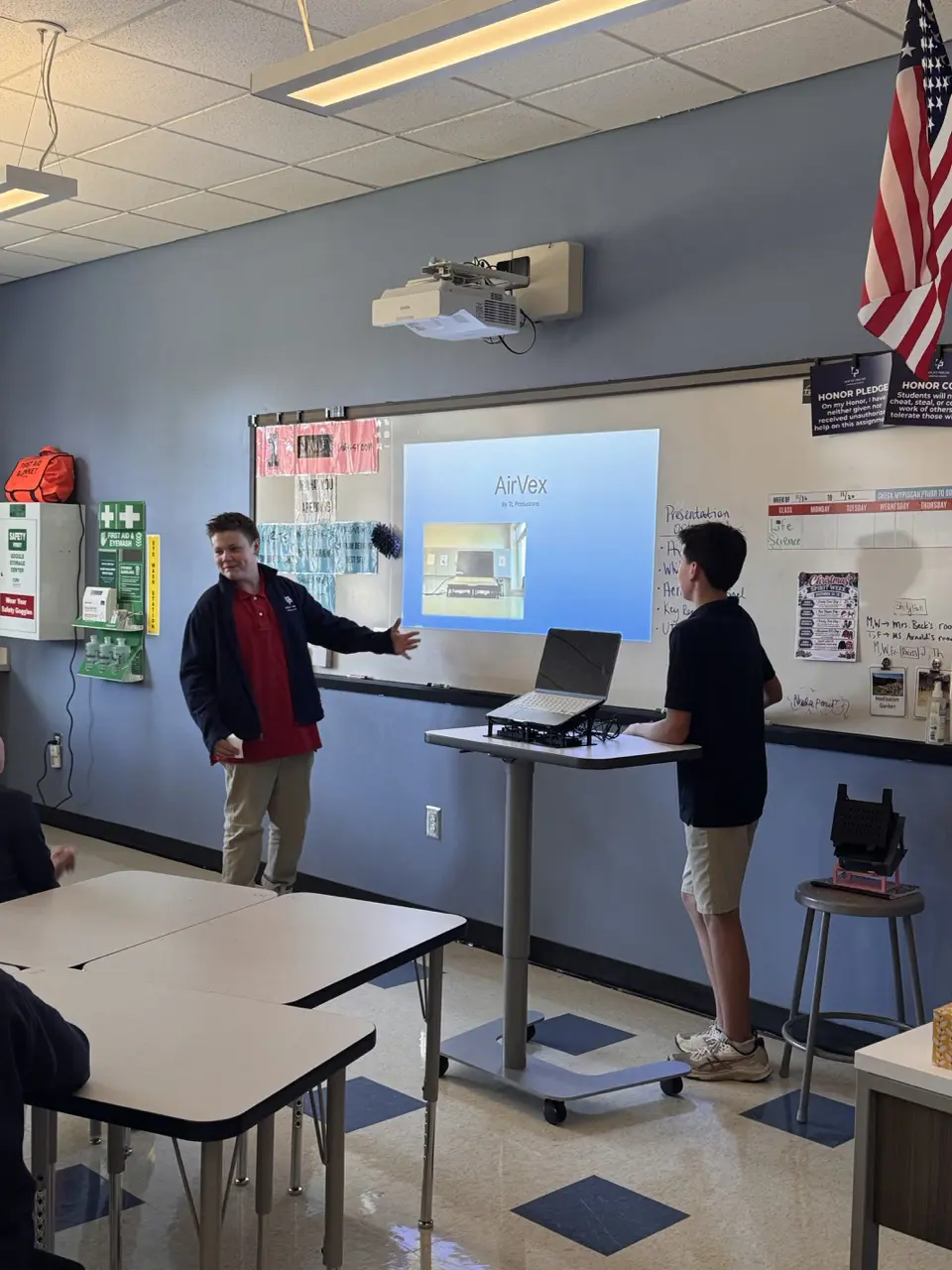
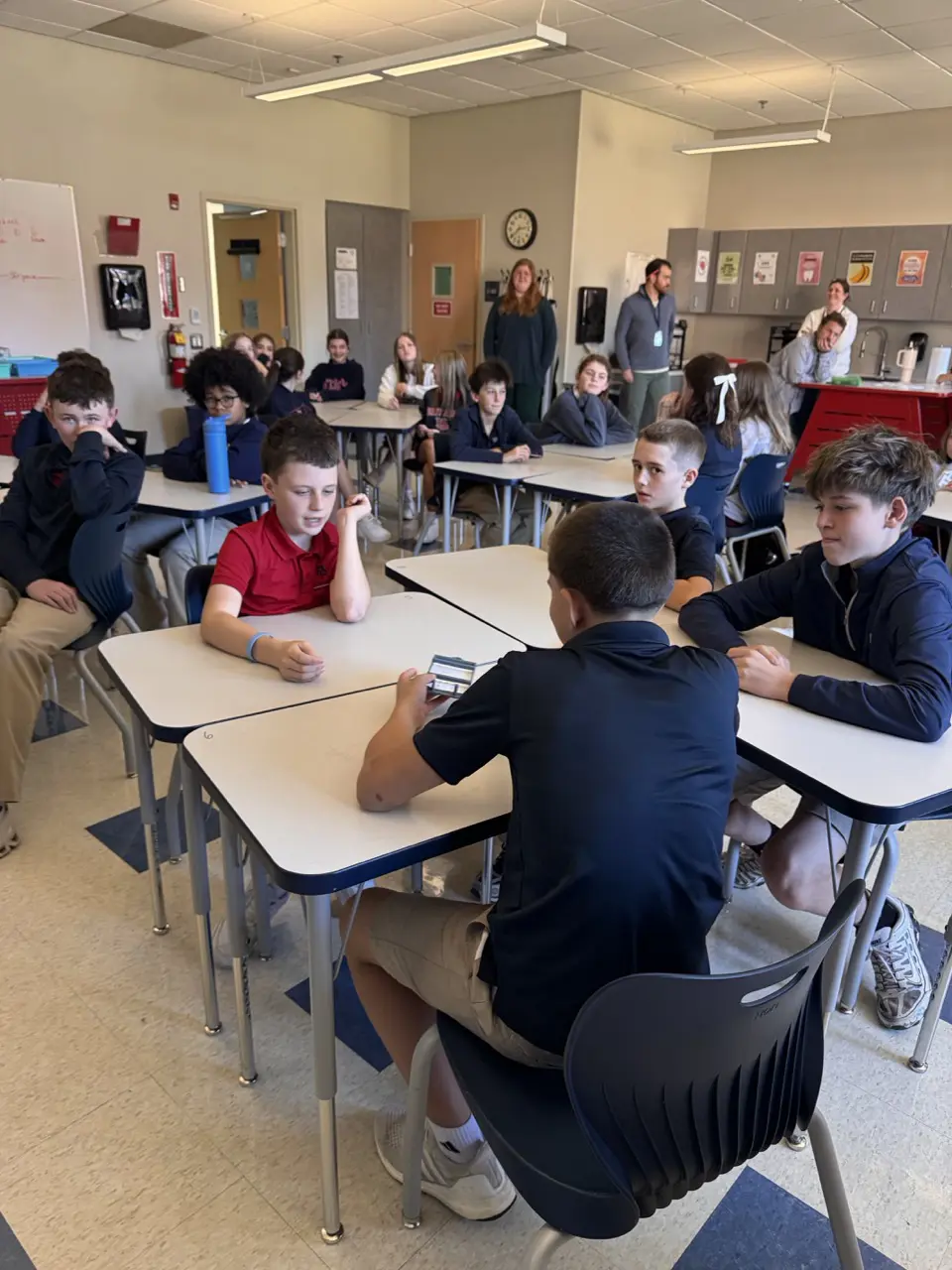
What does it take to turn a great idea into a product worth investing in? Students in Beth Darragh’s Middle School engineering class found out firsthand during their own version of Shark Tank on November 18.
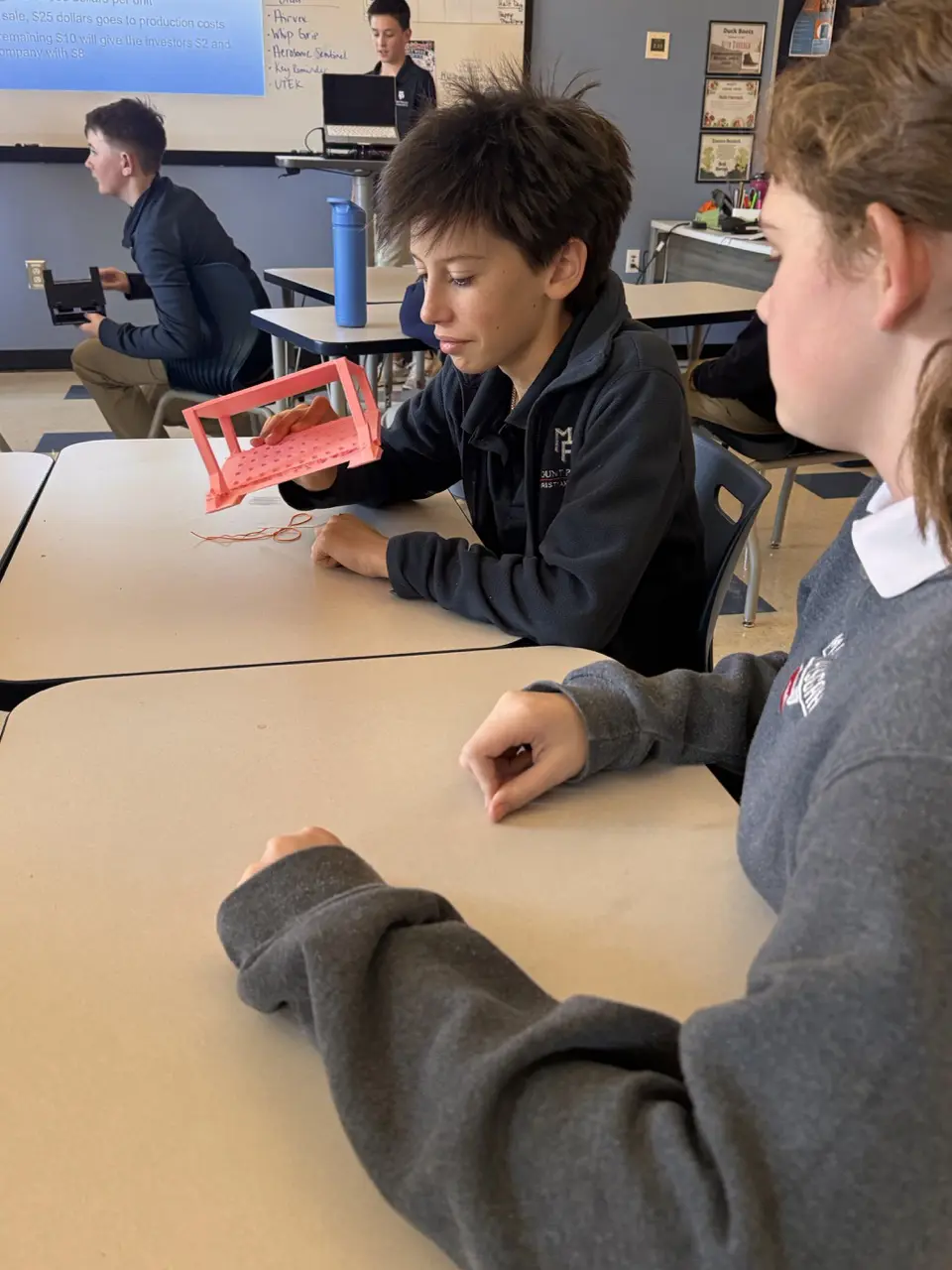
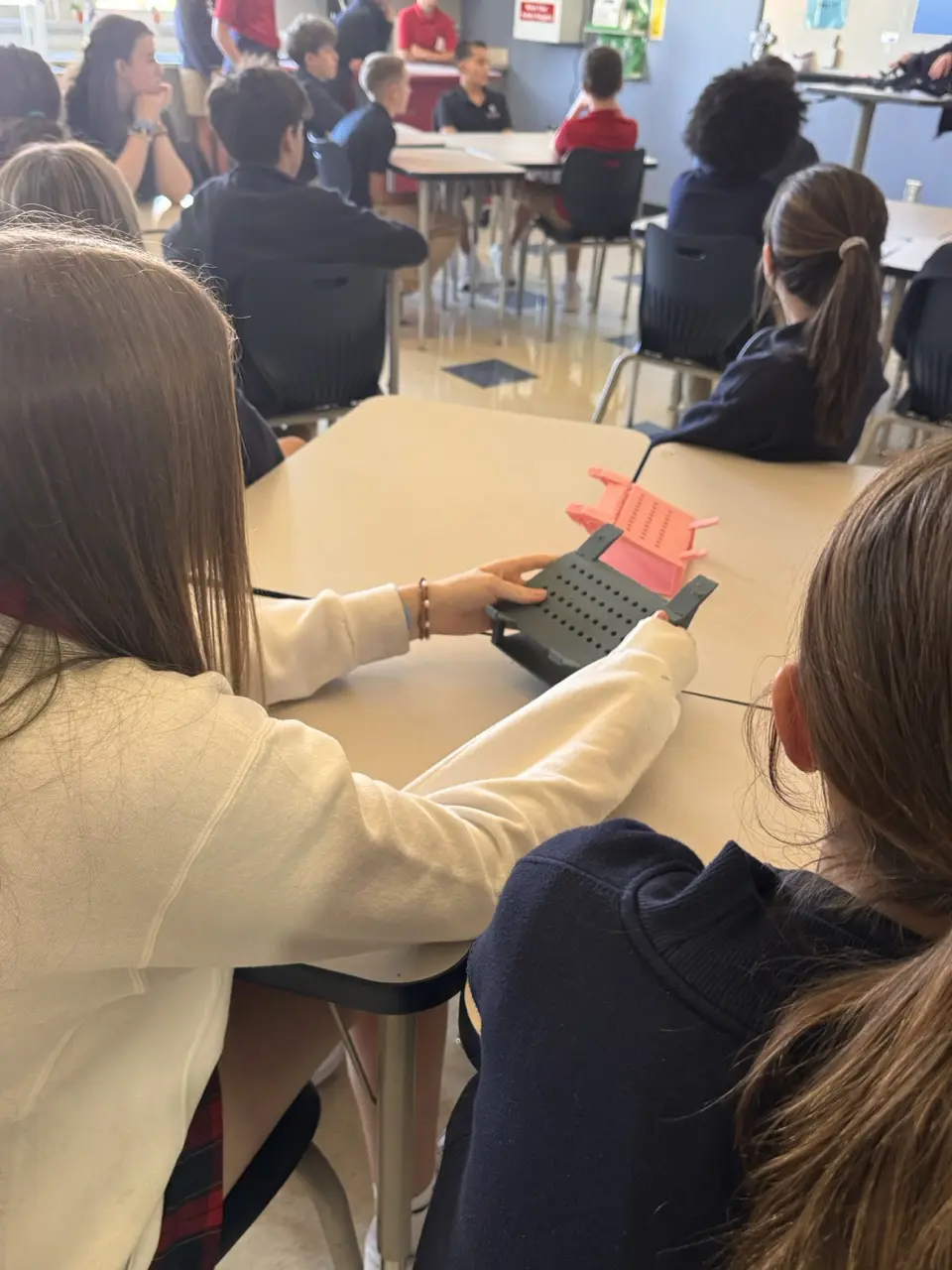
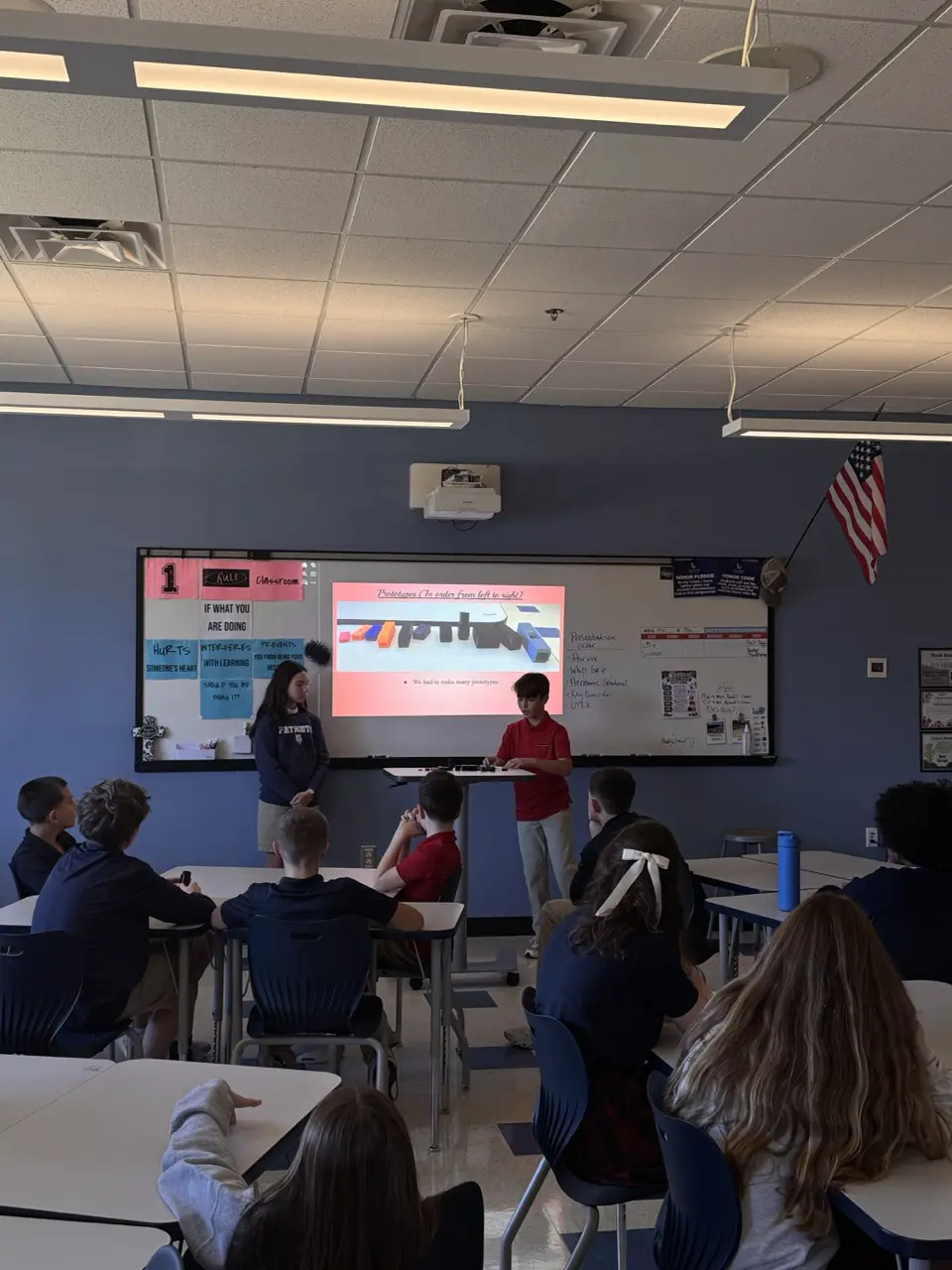
Working in five small groups, students were challenged to identify a problem and develop an innovative solution. Each team created a company name, designed a product, and used 3D printers to bring their ideas to life. After testing their prototypes and making improvements, students developed final products ready for the marketplace.
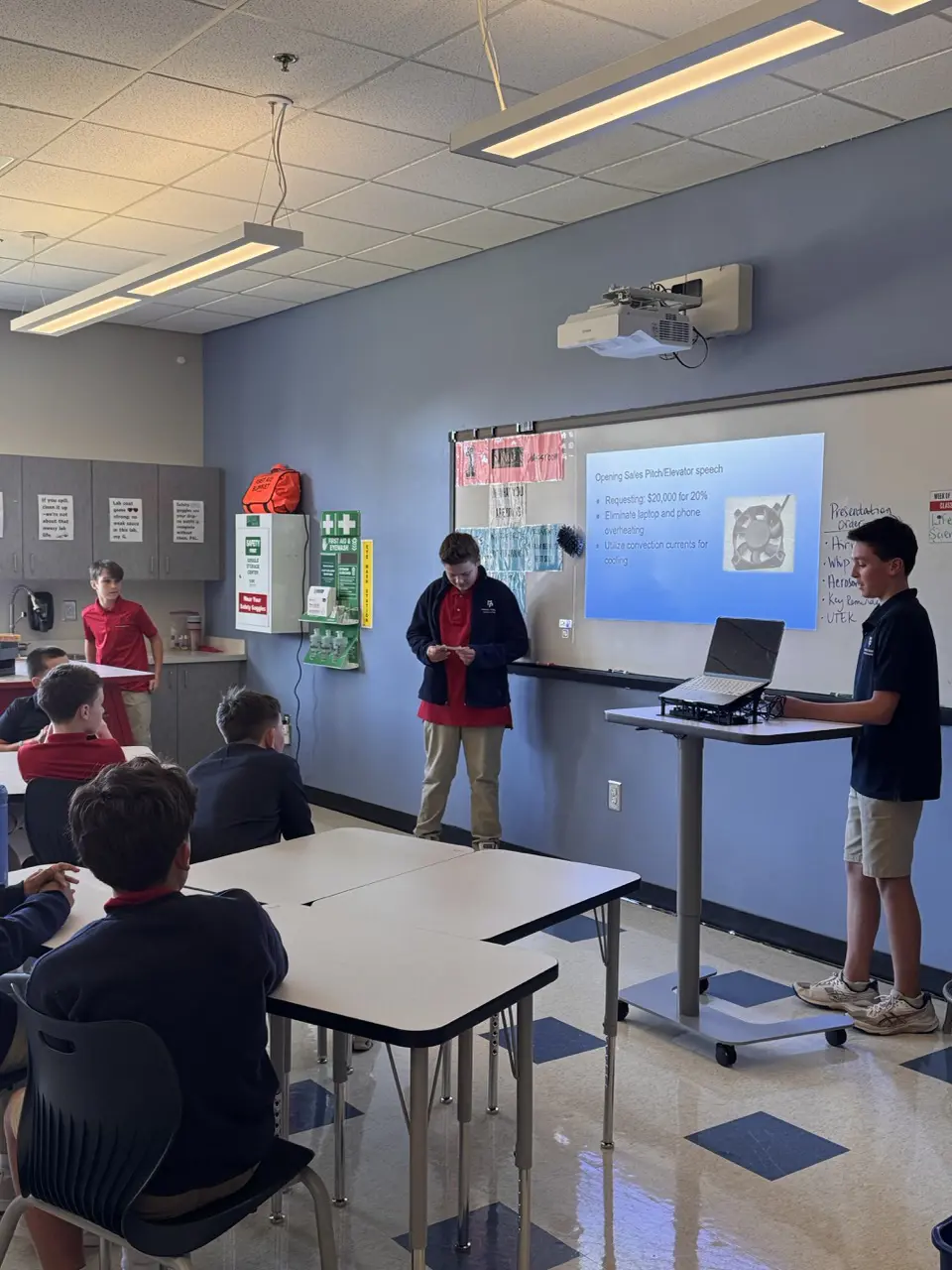
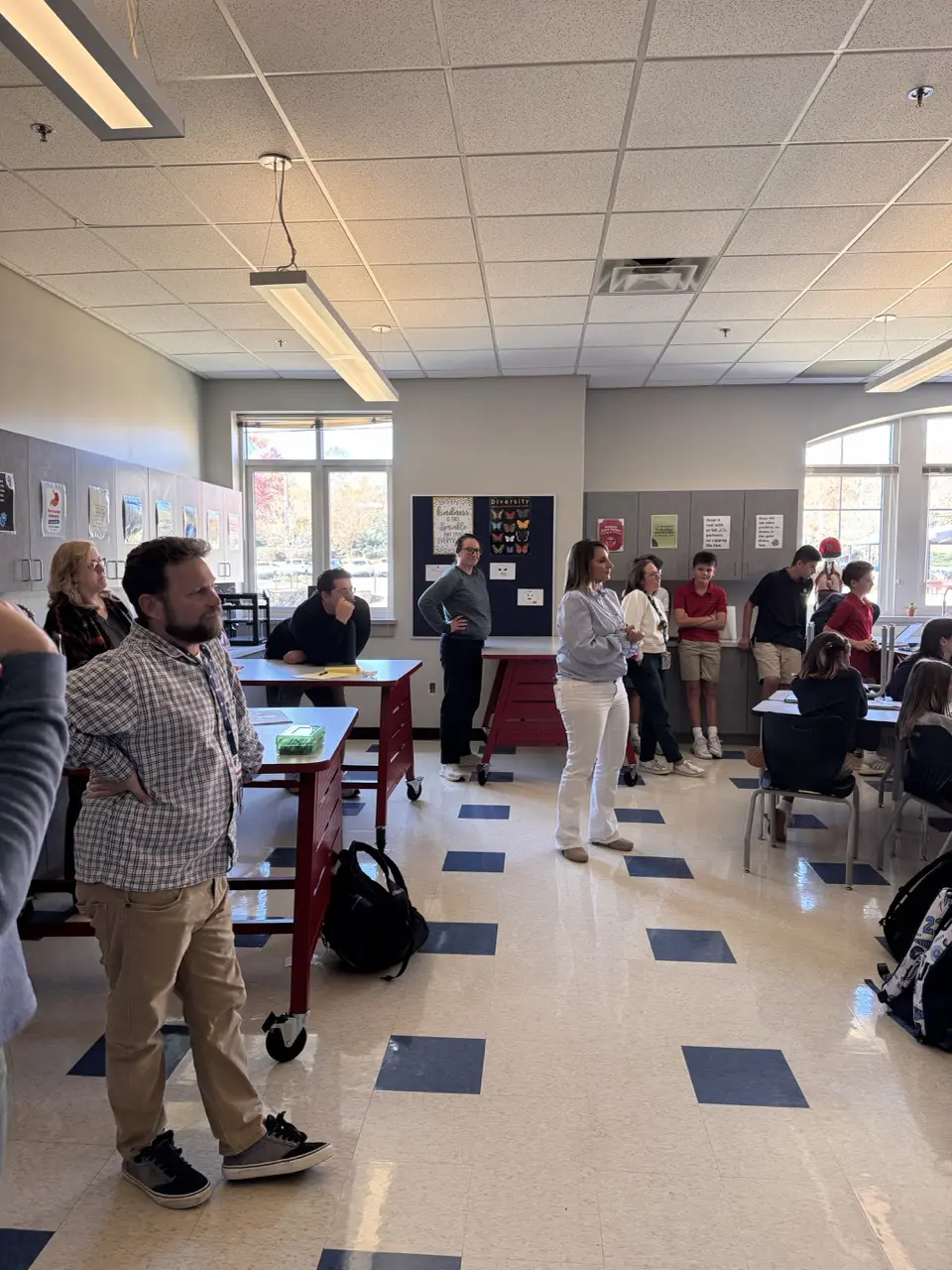
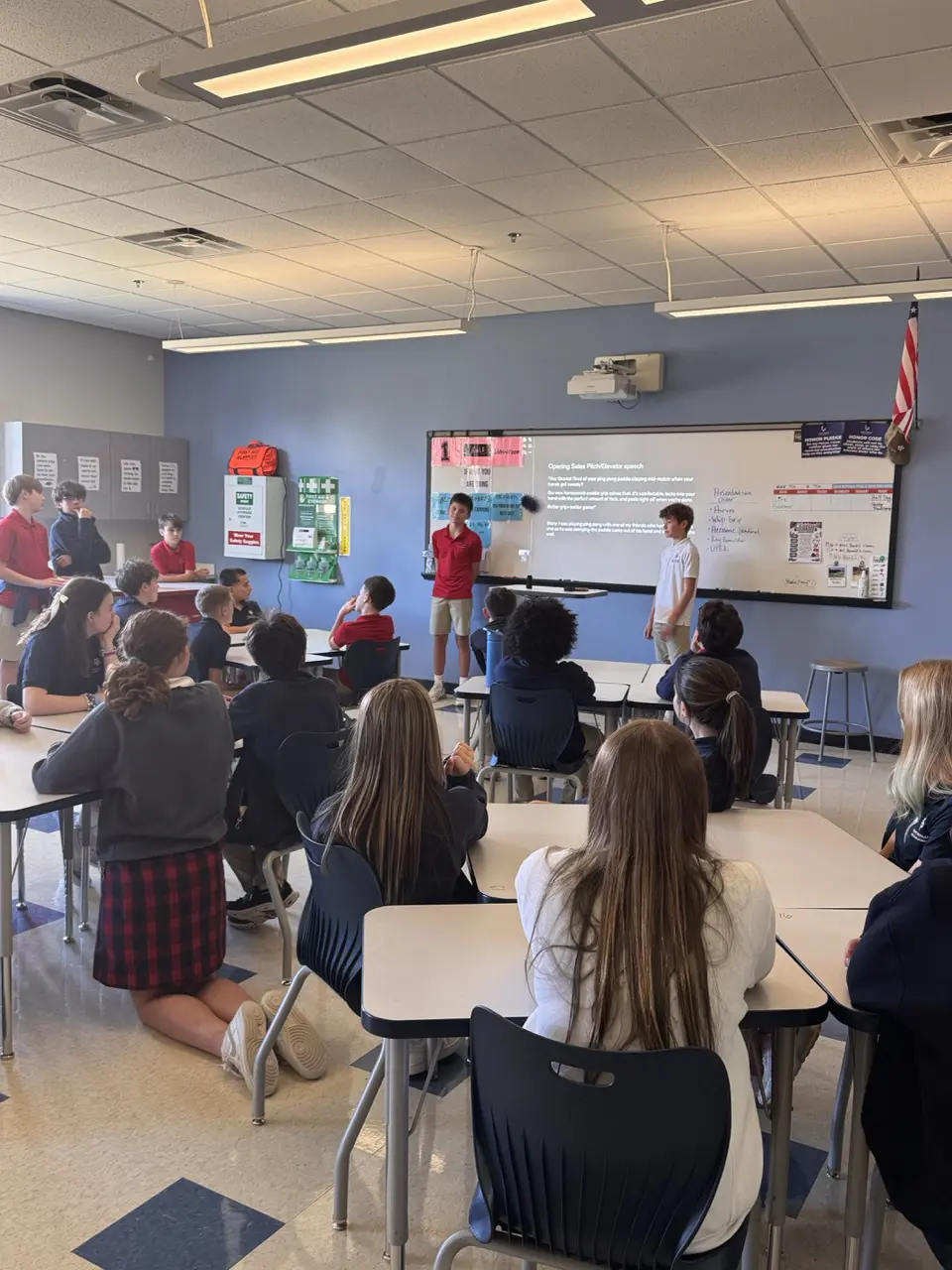
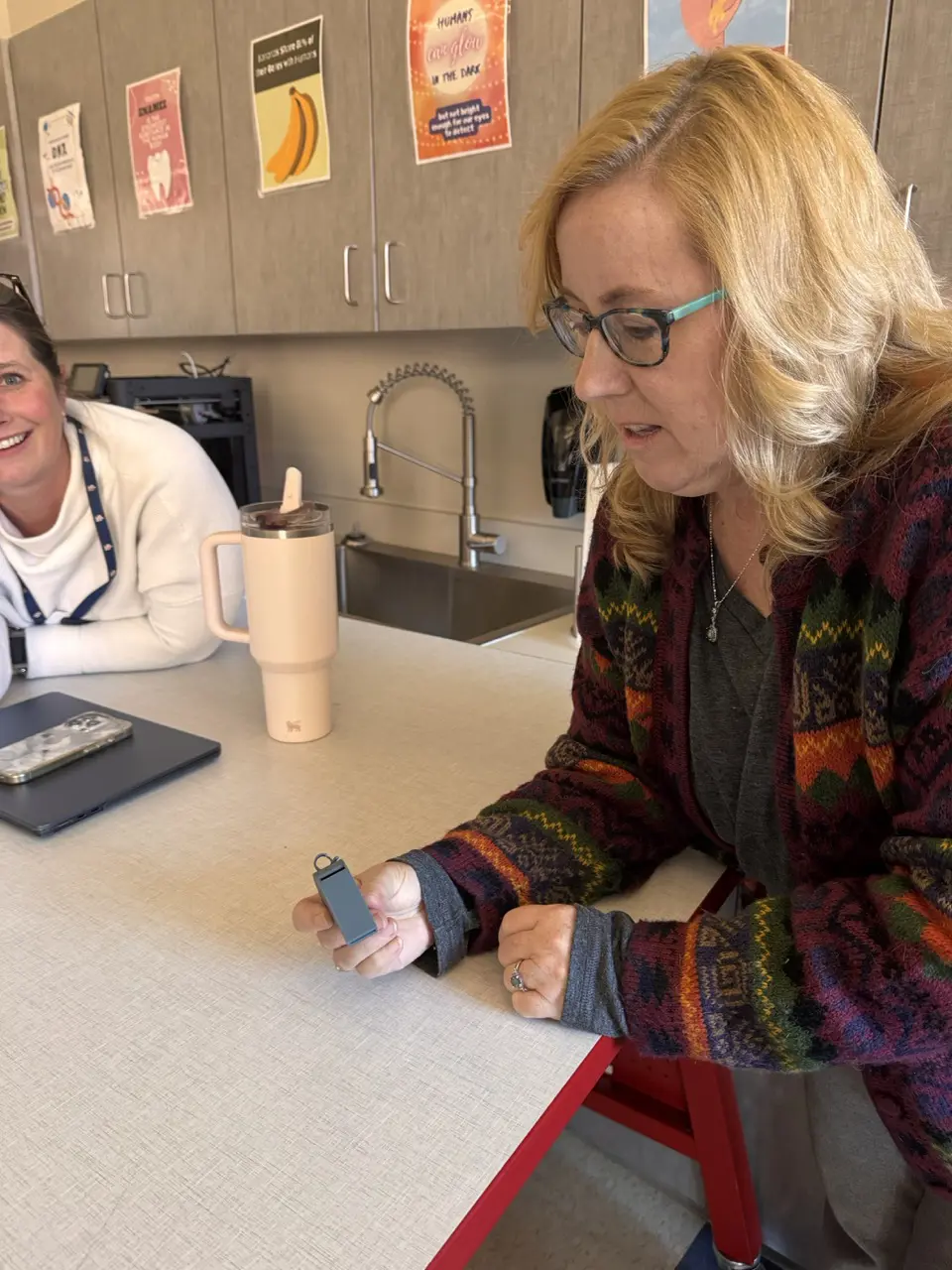
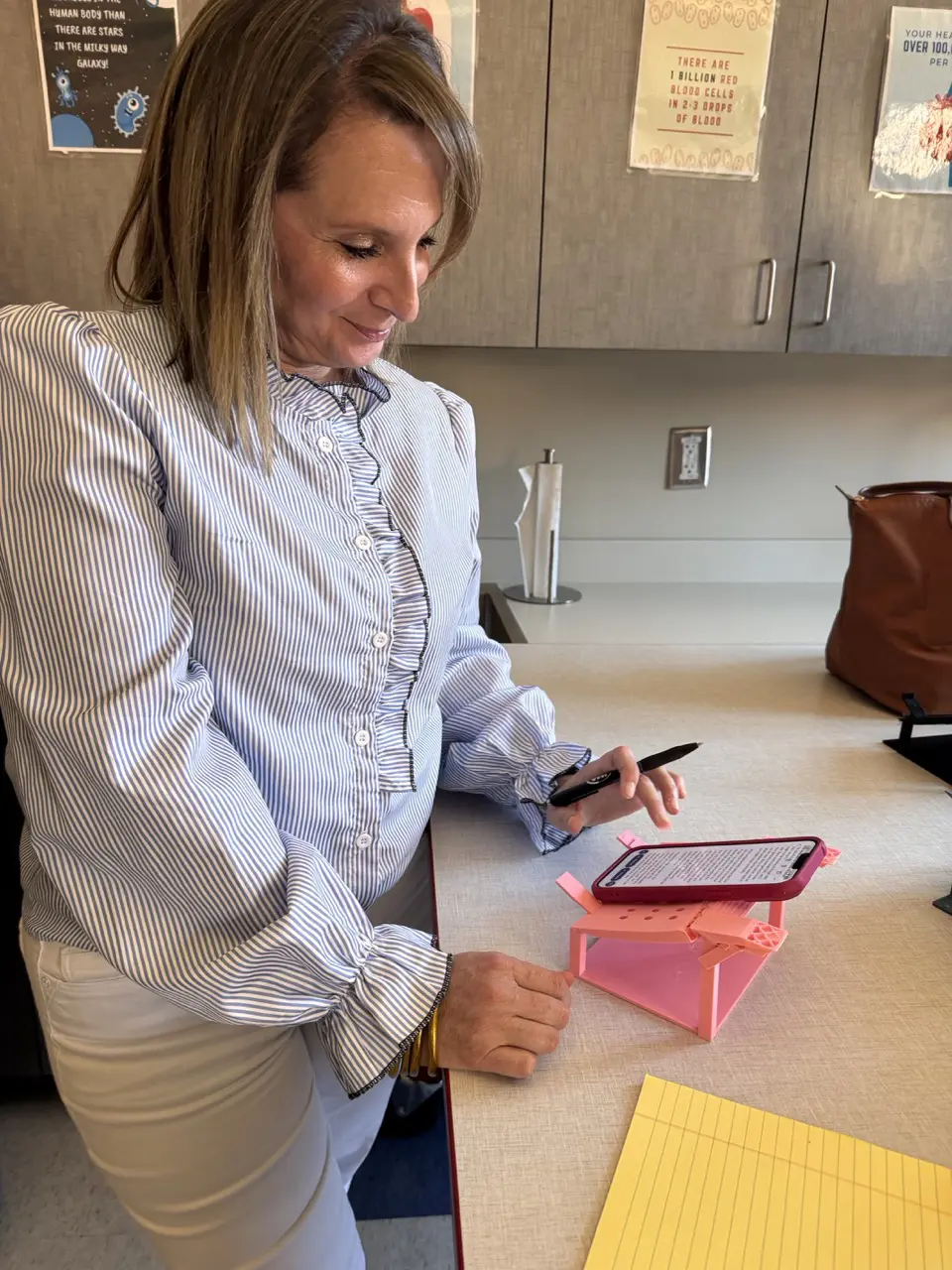
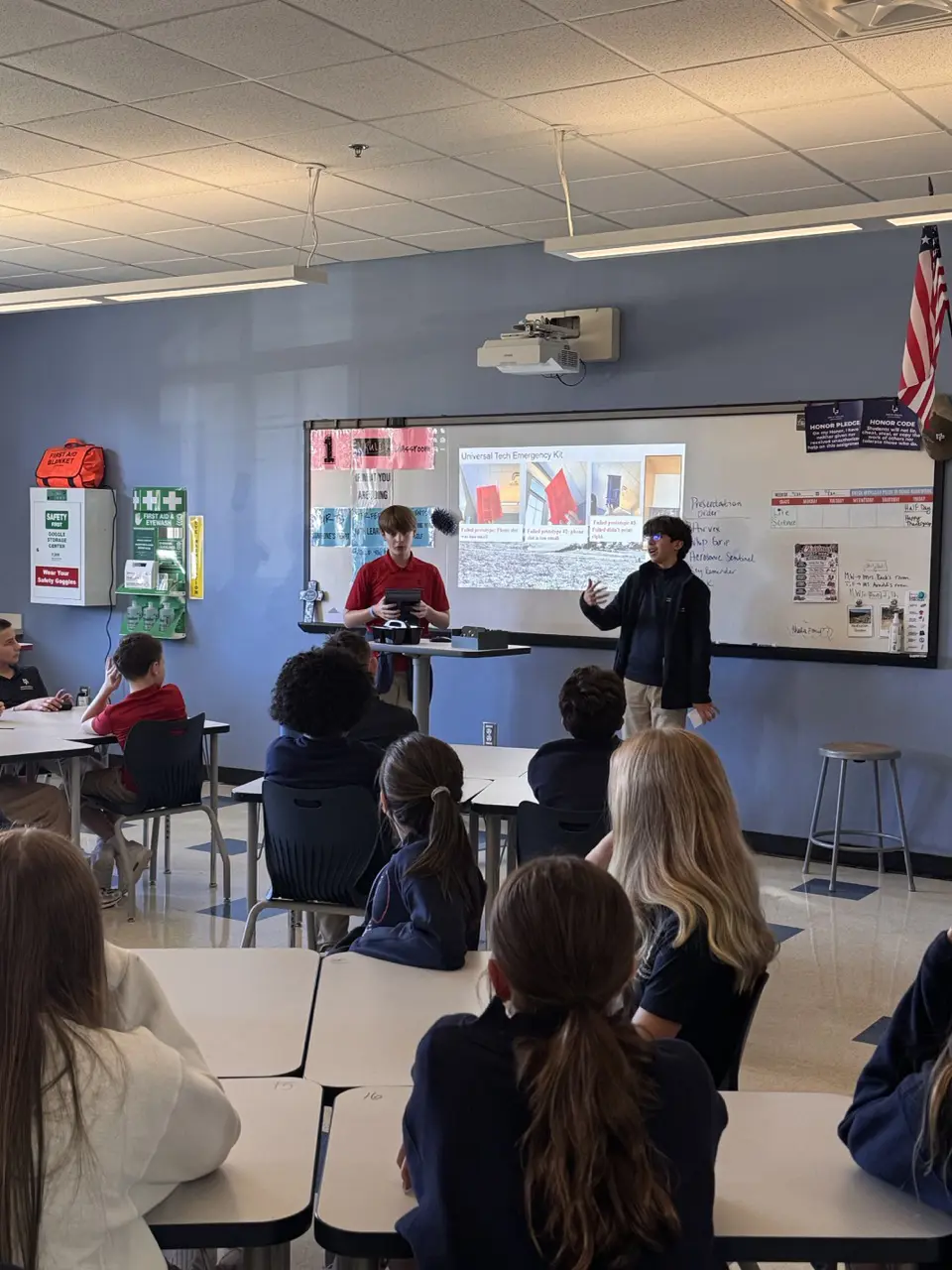
But engineering was only part of the challenge. Students also had to think like entrepreneurs, estimating production costs, expenses, and potential revenue before presenting their business proposals to a panel of “sharks” made up of teachers, administrators, and fellow students.
Meet the Innovations
Each group brought a unique solution to the table:
- Airvex: A laptop stand featuring built-in fans designed to keep devices cool during use.
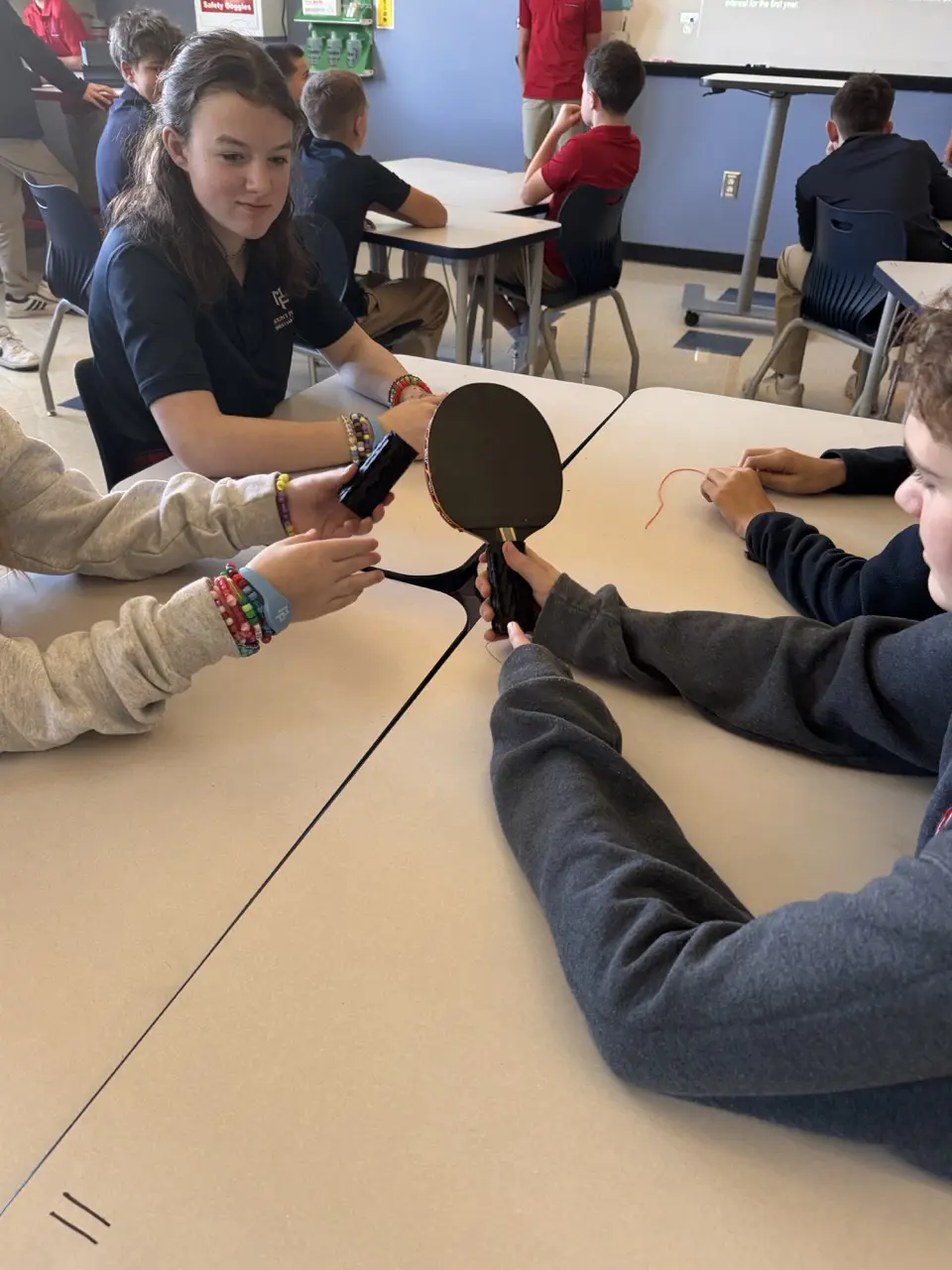
- Whip Grip: A textured grip for ping-pong paddle handles that helps prevent slipping during play.
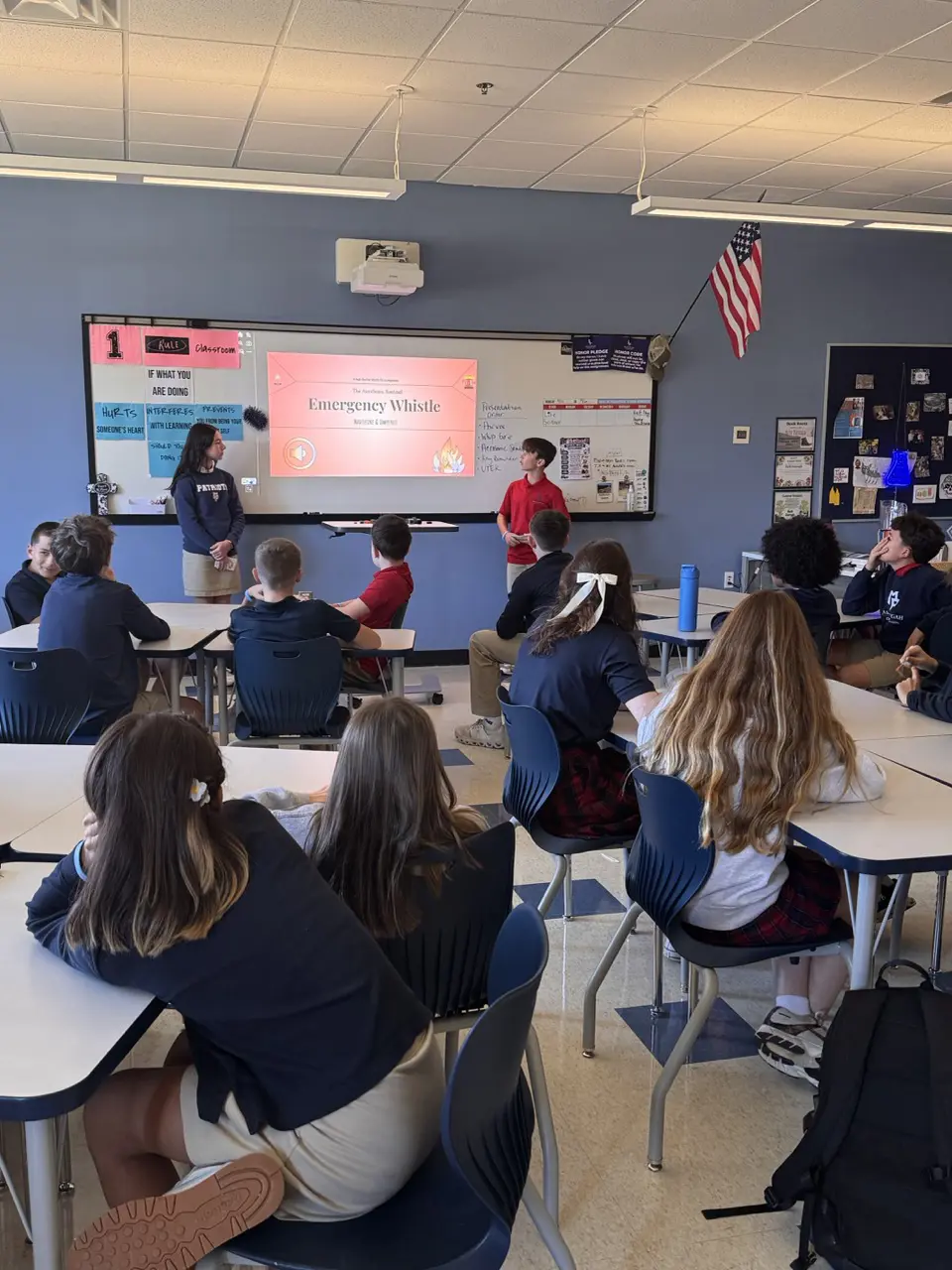
- Aerosonic Sentinel: A high-decibel emergency whistle designed to carry sound over long distances.
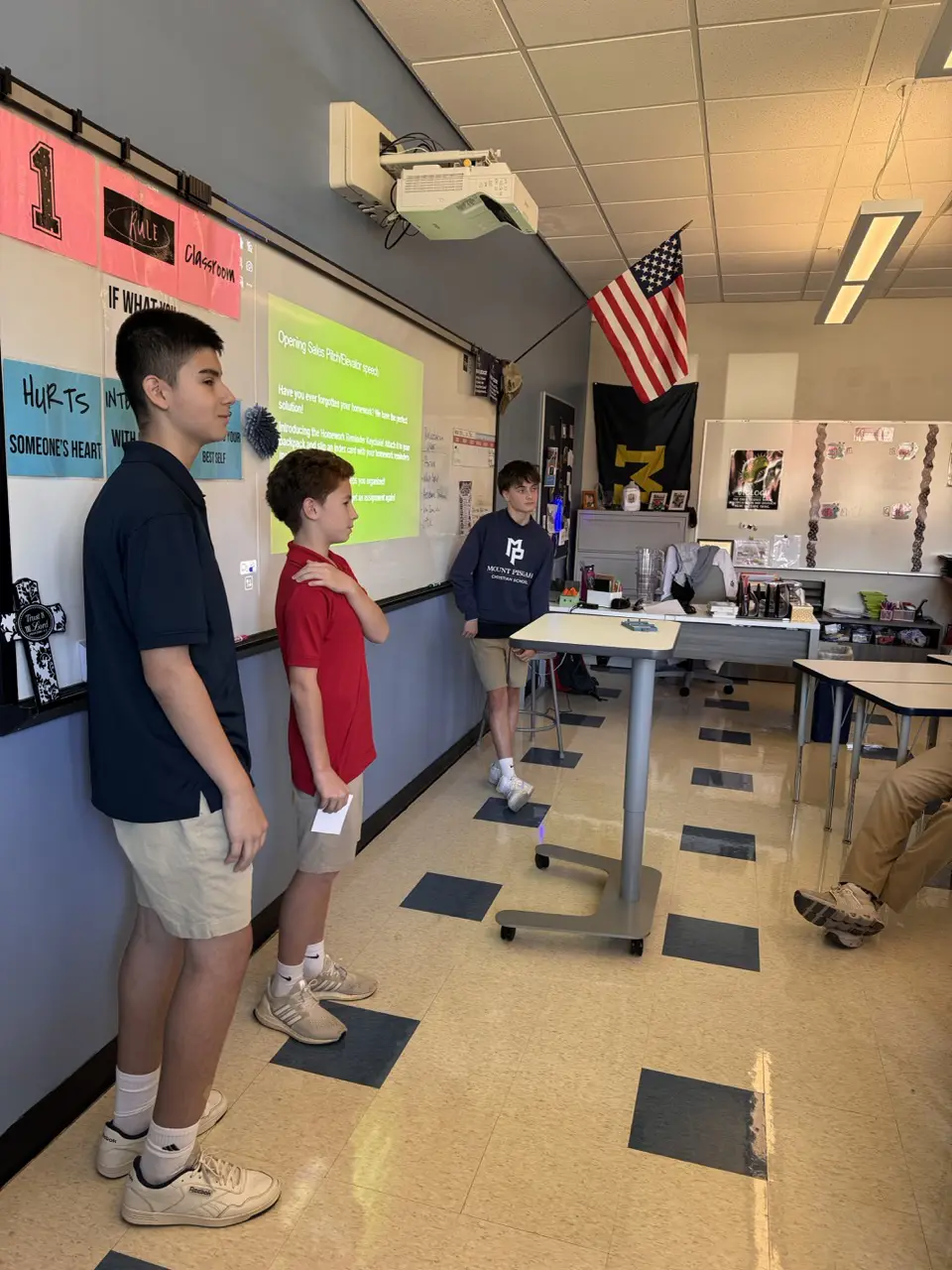
- Key Reminder: A portable index card holder that attaches to a keychain, helping students keep track of homework assignments and important reminders.
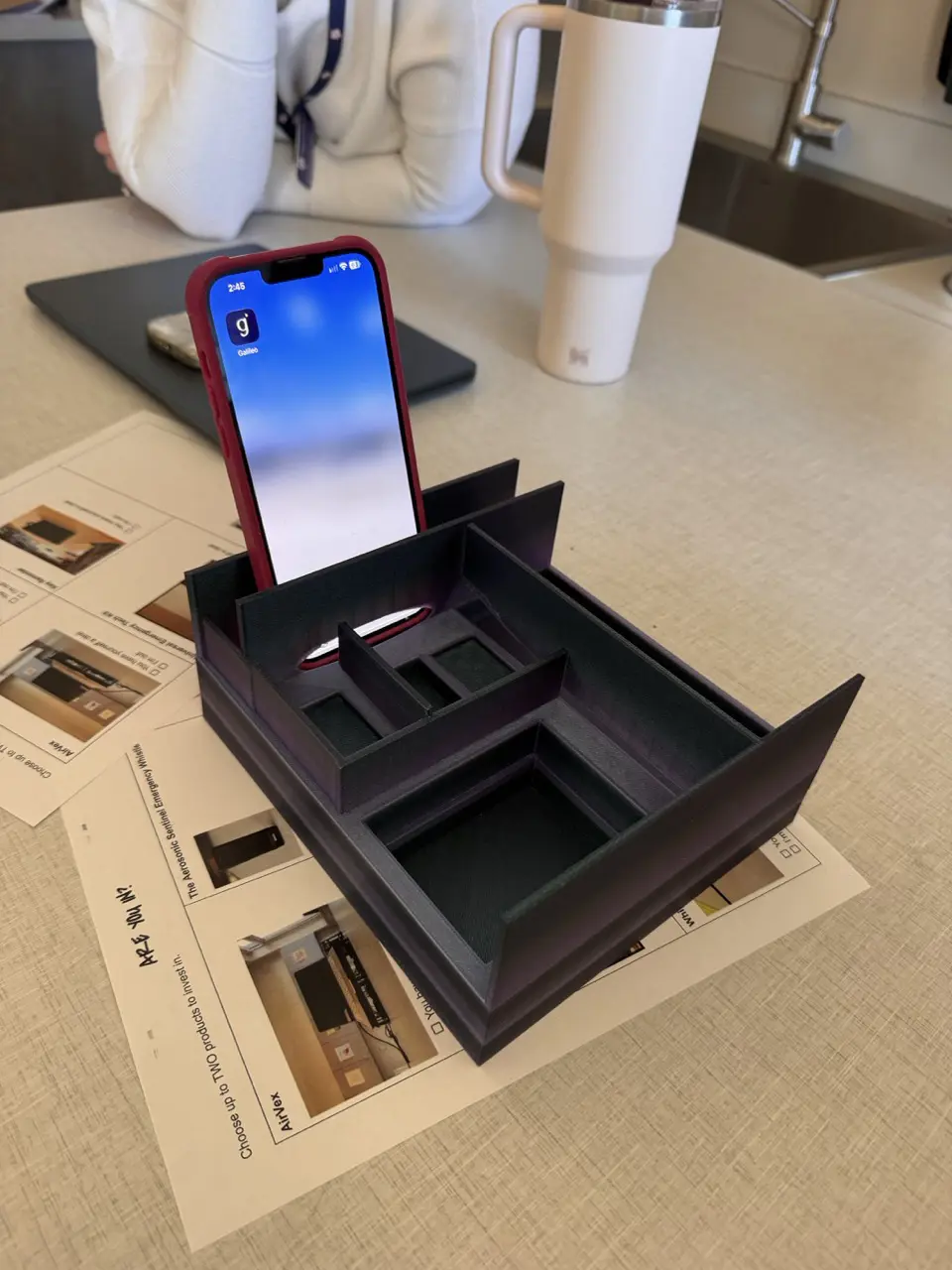
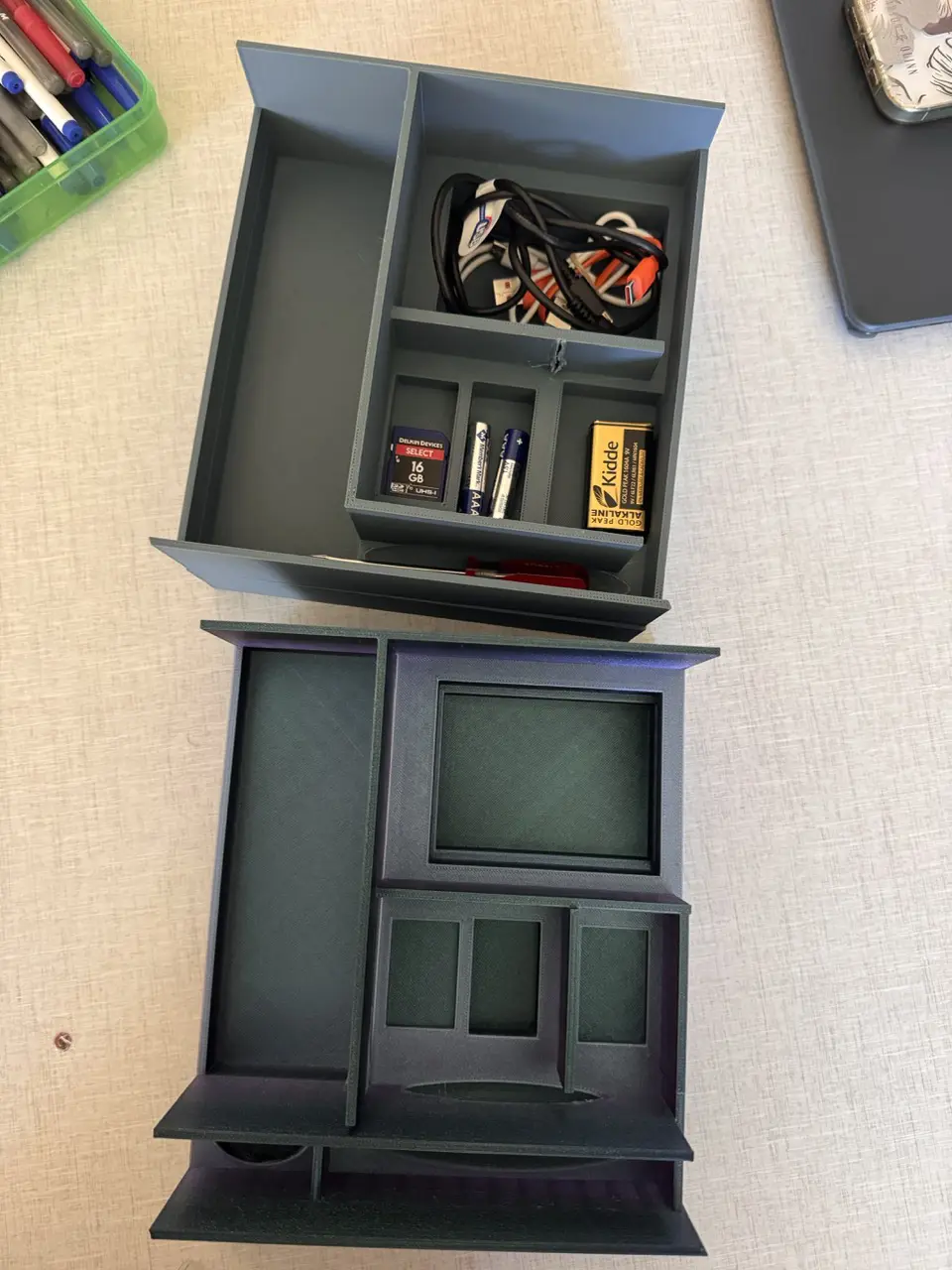
- UTEK (Universal Tech Emergency Kit): A compact caddy with compartments for storing electronic essentials, designed to fit neatly inside a desk drawer.
Learning Beyond the Prototype
As students presented their products, they put more than their engineering knowledge to the test. Each pitch challenged them to communicate the value of their designs, explain financial projections, and confidently answer questions from their audience.
The experience offered a practical look at the intersection of engineering and entrepreneurship, showing students that bringing an idea to life requires creativity, collaboration, and a willingness to refine their work.
At Mount Pisgah Christian School, experiences like this give students opportunities to apply classroom learning to real-world challenges. And for these future innovators, the next big idea might be just one prototype away.